
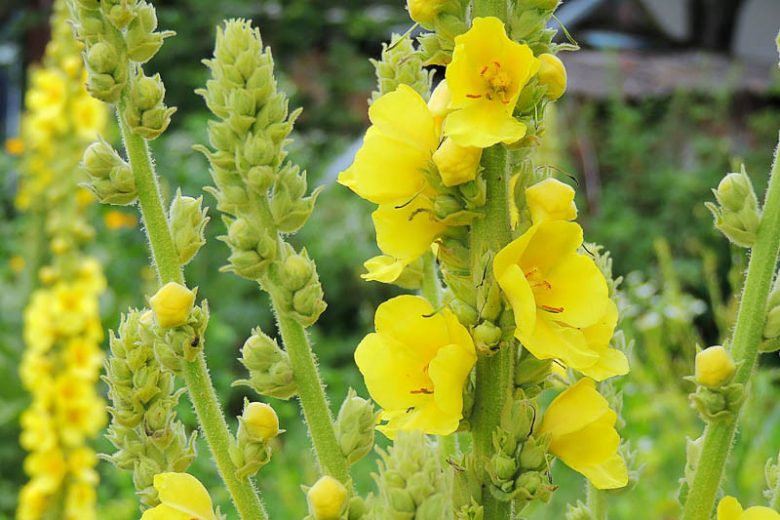
About our Tinctures, Glicerites and Infused Oils
A tincture is an advanced liquid extract crafted through the process of macerating herbs, plants, or other substances in a solvent—most commonly alcohol, but also glycerin or vinegar—to isolate their beneficial compounds. With a longstanding history in traditional herbal medicine, tinctures are often administered orally for expedited absorption, offering a powerful, long-lasting remedy.
An herbal-infused oil is a powerful blend crafted by steeping herbs, flowers, or roots in a carrier oil—such as olive, almond, or jojoba—to harness the plant’s medicinal, aromatic, and therapeutic benefits. Used primarily for topical applications such as balms, salves, and massages, these oils transfer their healing, anti-inflammatory, and soothing properties to the skin.
At Wyld Witchery, we employ traditional methods to craft our tinctures and oils in small, carefully controlled batches. We begin with premium quality herbs, the majority of which are organic (each tincture specifies the certification status of the herbs used). For Tinctures, the herbs are immersed in our chosen medium for 3 to 6 months. For oils, we infuse the herbs in our chosen oil at low temperatures for 10-16 hours to ensure all of the benefits are extracted, with the same process used for Glycerites. The resulting product is a potent, highly concentrated extract that effectively captures the beneficial properties of each plant.
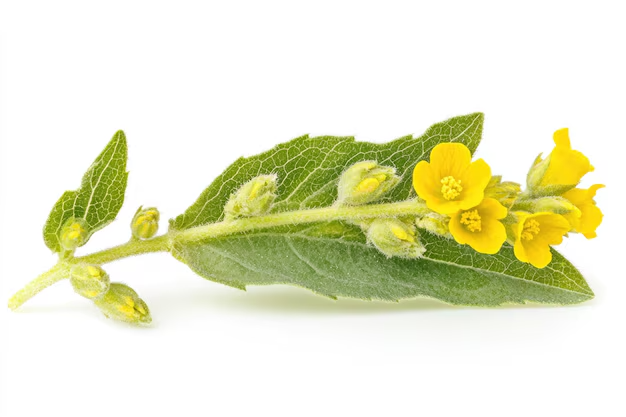
About our Mullein Extracts
- Scientific Name of Herb: Verbascum Thapsus
- Plant Family: Scrophulariaceae
- Parts Used: Leaves Only
- Cultivation Method: Certified Organic
Mullein Tincture
- Medium Used: Vodka, 80 Proof
- Strength: 1:5
- Shelf Life: 3-5 Years
Mullein Glycerite
- Medium Used: 75% Organic Food Grade Vegetable Glycerine and 25% water.
- Shelf Life: 3-5 Years when closed. Use within 18 months when opened.
Mullein Infused Oil
- Medium Used: Jojoba, MCT, or Moringa Oil (Can vary by batch)
- Shelf Life: No limit when kept in a cool and dry place.
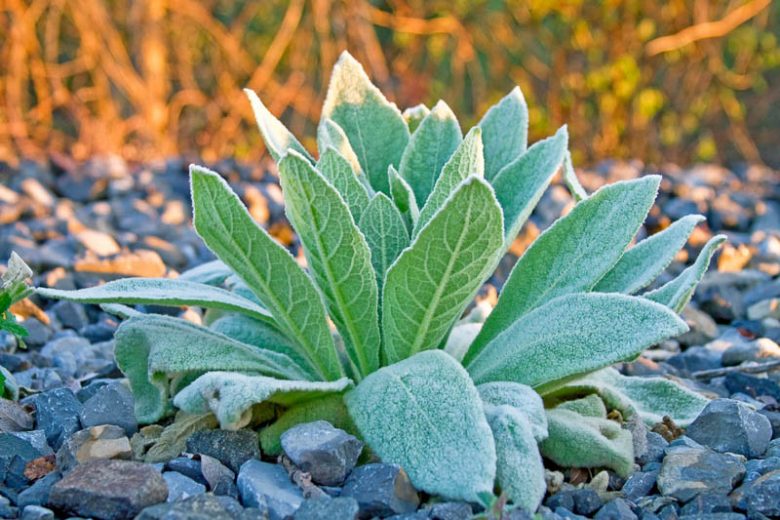
Verbascum Thapsus (Mullein) Materia Medica
- Energetics: Cool/Moist (leaves)
- Tastes: Salty/Sweet
- Constituents: mucilage (polysaccharides), saponins, tannins, volatile oils, fats, proteins, flavonoids (verbascoside, hesperidin), minerals (calcium, magnesium, iron), thapsic acid, beta-carotene, aucubin, terpenoids, glycosides.
- Actions: Demulcent, Relaxant Expectorant, Inflammation Modulating, Antispasmodic, Anodyne, Astringent, Vulnerary.
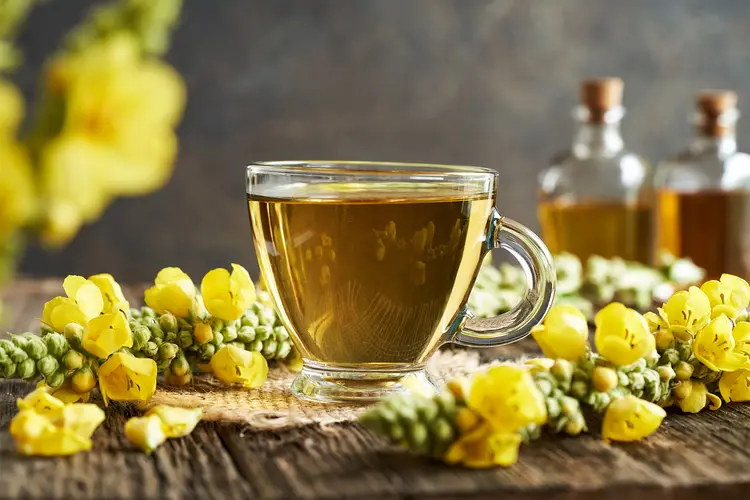
Therapeutic and Heath Benefits
Mullein is recognized for its beneficial effects on the respiratory system. It is primarily indicated for the management of dry, spasmodic coughs. Still, it serves other purposes, including alleviating joint pain, acting as an anti-inflammatory agent, and treating ear infections.
- Respiratory System: This system is primarily supported as a tonic for respiratory health, aiding in the restoration of the mucosal membranes within the tract. It helps strengthen, tonify, and nourish the airways, supporting the health of the lungs, throat, and sinuses. It is particularly beneficial for conditions characterized by a dry, irritative cough. Mullein is usually consumed in liquid form, such as an infusion or syrup, and can be used alone or with herbs like mint, rosemary, hawthorn flowers, or pine leaves.
- Musculoskeletal System: Mullein exhibits a pronounced affinity for the skeletal structures, notably the spine, as indicated by its vertical flowering stalk. It acts as a lubricant for synovial fluids within joints and bones, making it an effective treatment for injuries, discomfort, or misalignments. It is also suited for joint pain and musculoskeletal problems, for it relieves dryness in the joints, increasing synovial fluid secretions and moistening the area in general.
- Lymphatic System: Given its proximity to the external environment, the respiratory system has numerous lymphatic connections to support the body’s defenses. Mullein-based remedies are valuable for activating the lymphatic glands, alleviating stagnation, and supporting the immune system’s filtering and cleansing functions. Mullein helps soften hard lymph or swollen glands and clear stagnation, either topically as a poultice (or oil) or internally as a tea or tincture.
- Nervous System: Mullein is recognized as a nervine, particularly the flowers, serving effectively as an antispasmodic and trophorestorative. Although not often regarded as a primary focus in herbal literature, Mullein’s influence on the nervous system extends to other organ systems, including the respiratory, musculoskeletal, and urinary tracts. This function tends to be stronger when working with the root of the plant rather than the leaves.
- Bacterial and Viral Infections: Research suggests that Mullein may have antibacterial properties that could help fight bacterial and viral infections. Infused Mullein oil is a common remedy for an ear infection. This oil can be made using the leaves or flowers.
- Skin Conditions: Mullein extract or oil can be applied to the skin to help with eczema, acne, rash, insect bites, and Chilblains.
- Diarrhea Relief: Mullein leaves and flowers are typically infused in water and then consumed. Diarrhea is usually related to an infection. Diarrhea also causes inflammation in the body. Both concerns may be alleviated with mullein preparations.

Contraindications and Interactions
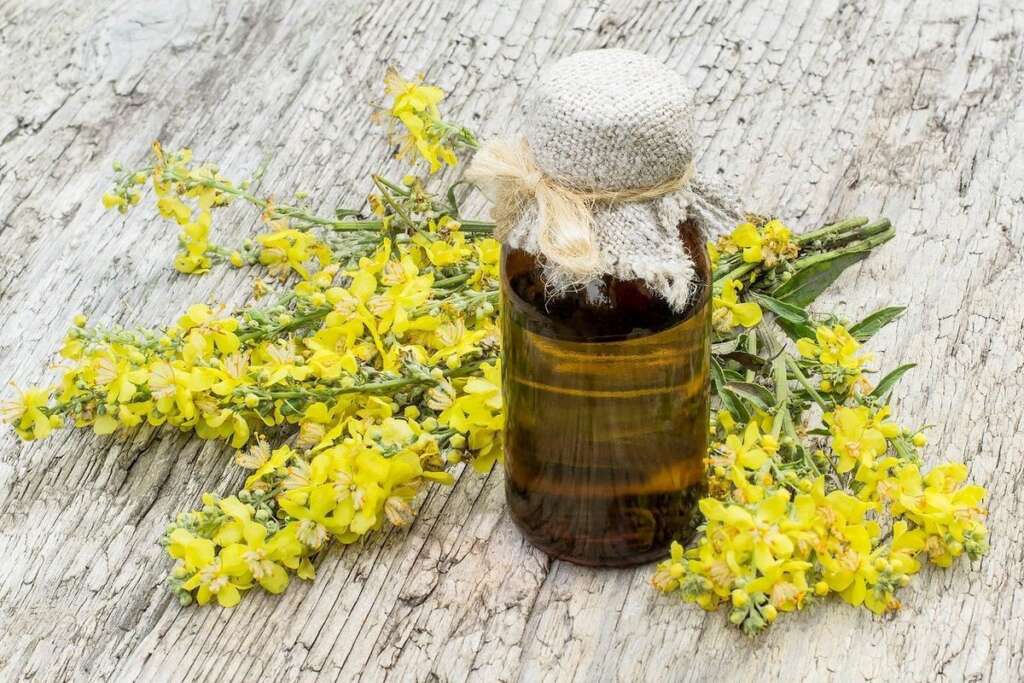
Medicinally Safe Dosages
- Dried Leaf (Tea/Infusion): Pour 1 cup boiling water over 1 tbsp leaf or flowers and infuse for 10-15 mins. Drink 2-4 ounces 4 times daily (Strain leaf teas through a coffee filter or muslin cloth to avoid ingesting irritating hairs.)
- Tincture (1:5): Dose of 30-40 drops, 2–3 times daily.
- Glycerite: Dose of 1 ml 2 to 3 times per day, up to 2 ml three times per day.
- For local skin applications: The leaves can be used fresh topically as a poultice. They have been used whole, taped onto sore muscles, dislocated ribs, and other musculoskeletal injuries. The irritating hairs have a slightly counterirritant effect, bringing a fresh blood supply, and help to lessen pain.
- Infused oil: The oil can be made from all parts of the plant (wilted or dry) and used topically or turned into a salve for easy application.
Storage advice: keep dried leaves in an airtight container away from direct light to preserve volatile oils. Essential oils, tinctures, and infused oils must be stored in dark glass bottles at cool temperatures to avoid oxidation.
Spiritual Uses
Engaging with herbs as a spiritual ally offers a profound opportunity for connection, healing, and personal development. It is crucial to recognize that this work involves establishing a relationship with the essence of the plant. While teas and herbal extracts can facilitate this connection, the depth of engagement ultimately depends on your intention to connect with the spirit of the herb.
The Mullein Spirit Ally is closely associated with the energies of Saturn. Consequently, it provides valuable support to individuals who may have become emotionally or mentally rigid. Additionally, its ties to Elemental Air assist those who often overthink or experience mental congestion.
- Energy Centers: Throat, Sacral, Root, and Heart
- Elements: Air
- Planets: Saturn, Mercury
Mullein serves as a valuable plant spirit ally for harnessing the energies of Saturn. It proves beneficial for individuals who may be resistant to change or struggle to perceive situations from alternative perspectives. Additionally, it can assist in navigating traumatic experiences associated with the root energy center.
Moreover, its connection to the elemental air can be advantageous for those who feel mentally obstructed. It can alleviate mental stress and support individuals grappling with excessive self-criticism or perfectionist tendencies.
Ultimately, Mullein can be an exceptional ally during challenging life lessons, facilitating processing and comprehension of experiences without letting them define one’s identity or harden the heart.
Below are some areas where you can engage with Plant Spirit Allies for spiritual work:
- During Meditation or Shamanic Journey
- Journaling
- Spiritual Ceremonies
- Spiritual Baths
- Candle work
- Yoga
- Sound Healing
- Reiki sessions
Essential Guidelines for Spiritual Applications:
- Oil: Apply to the relevant energy center or body area. Incorporate oil into baths and cleansing rituals. Additionally, you may anoint tools and candles—any infused oil can serve as a spiritual oil blend.
- Tea: Heat 8 oz of water until boiling, then allow the water to cool for approximately 30 seconds. Pour this water over 1-2 teaspoons of herbal material. Let the infusion steep for 5-10 minutes, then consume it before or during your ceremony or activity.
- Glycerites: Take 1 ml prior to your ceremony or activity. I
- Tinctures: Take 5-10 drops before your ceremony or activity.
Disclaimer: These guidelines pertain specifically to engaging with this particular plant spirit. Not all herbs are safe for internal use. It is essential to consult with a qualified healthcare professional or herbalist before consuming this or any other herbs internally.